

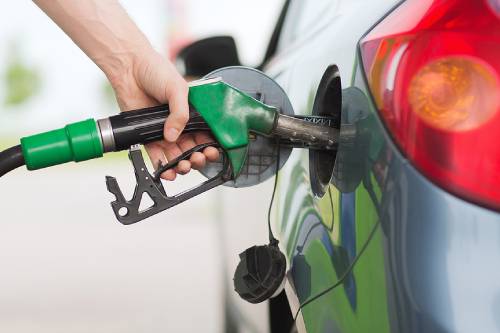
Have you noticed your wallet feeling a little lighter lately, even when you haven’t changed your spending habits? You’re not alone. Petrol prices in Singapore have surged to record highs in early 2026, leaving drivers scrambling to make sense of it all. But even if you don’t own a car, the ripple effects of rising fuel costs touch almost every part of your daily life.
The truth is, fuel powers the entire supply chain that brings food to your table, goods to store shelves, and services to your doorstep. Understanding how this works is the first step to managing it better. So let’s break it down in plain terms.
What’s driving the increase in gas prices?
Fuel companies in Singapore have been raising prices of petrol and diesel consistently, with 95-octane petrol climbing to S$3.35 per litre at several major stations. The primary driver of the increase in gas prices has been geopolitical tension in the Middle East, which has pushed global crude oil prices sharply upward. Brent crude has already exceeded US$100 per barrel in early 2026, with supply disruptions affecting major export flows estimated at up to 10 million barrels per day.
For Singapore, this hits particularly close to home. With over 95% of its energy needing to be sourced from abroad, Singapore has very little buffer when global fuel markets shift. Put simply, whenever oil prices climb on the world stage, the impact doesn’t stay at the petrol station, it works its way through the broader economy and into everyday expenses fairly quickly.
For a typical driver travelling around 1,500 kilometres per month, the recent price hikes translate to spending roughly S$20 to S$40 more per month on refuelling, depending on the vehicle and discounts applied. That may not sound catastrophic on its own, but it’s just one piece of a much bigger picture.
From the petrol station to the supermarket
Here’s something that might surprise you: the price of a bunch of kailan at your local NTUC FairPrice is directly linked to what’s happening at the petrol pump. Singapore imports over 90% of its food, making our grocery bills highly susceptible to imported inflation. When oil prices surge, the entire global supply chain becomes more expensive, from the ships and planes that carry produce here to the petroleum-based fertilisers used to grow crops to the plastic packaging that wraps your groceries.
For a number of years now, the cost of food has been climbing faster than overall inflation. Rising expenses across the board, from shipping and logistics to staffing, rental, and energy, have all piled up at once, and supermarkets tend to adjust their prices little by little rather than all at once to keep shoppers from noticing too sharply. But those modest increases of 20 to 50 cents here and there across your weekly shop do add up, which is why more households are turning to store-brand products and buying in bulk to keep their bills manageable.
Given that 85% of Singapore’s goods vehicles rely on diesel, rising fuel costs are likely to push up logistics and operational expenses, which may ultimately be passed on to consumers. That means hawker stall owners, provision shops, and even online delivery services are all facing higher costs and sooner or later, those costs trickle through to us.
Your utility bills are feeling it too
It’s not just your grocery run. In Singapore, around 95% of electricity is generated using imported natural gas, and historically, the price of natural gas has been closely indexed to oil prices. When global energy prices spike, electricity retailers must adjust their tariffs to reflect the higher cost of generation.
Because Singapore relies on imported natural gas to generate most of its electricity, any movement in global fuel prices feeds directly into what households pay for power. On the brighter side, the government has stepped in with some relief: qualifying HDB households can tap on U-Save rebates to help cover their electricity bills, with the first payout in April 2026 being 1.5 times the usual amount, going up to S$570, as part of Budget 2026’s support package. It’s worth checking if you qualify.
The broader cost of living picture
All of this feeds into a wider squeeze that many Singaporeans are navigating right now. With inflation and cost of living affecting borrowing decisions in 2026, it’s worth taking a step back to understand your full financial picture before making any major money moves.
As of February 2026, Singapore’s overall inflation rate sat at 1.2%, while food prices rose at a slightly faster pace of 1.6%, with staples like fruits and nuts, meat, and cereals among the biggest contributors to that uptick. Getting around also got pricier, with both private vehicle costs and public land transport pushing transport inflation higher.
Imported foods such as fresh vegetables, meat, and seafood are more sensitive to global factors such as weather conditions, fuel prices, and shipping costs. In other words, the staples many of us rely on most are also the ones most exposed to external shocks.
Practical ways to manage rising daily costs
The good news is that small, intentional changes can make a real difference. Here are a few approaches that many Singaporeans are already using:
- Compare petrol prices before you fill up – Apps like Price Kaki by CASE let you check current pump prices across stations before you drive in.
- Switch to house brands at the supermarket – Private label products often offer similar quality at a noticeably lower price point.
- Batch your errands – Fewer trips mean less fuel used, whether you’re driving or taking ride-hail services.
- Review your electricity habits – Switching off appliances at the wall and reducing air-conditioning use can take a meaningful bite out of your monthly bill.
- Track your grocery spending over a few months – It’s often only when you see the numbers side by side that the slow creep of food inflation becomes obvious.
Conclusion
Even with the best budgeting habits, a sudden spike in living costs can leave you short-footed. Whether it’s an unexpected utility bill, a vehicle repair you can’t put off, or simply a gap between your income and your outgoings, it helps to know your options.
If you’re looking for a reliable and regulated borrowing solution, consider Orange Credit. As a licensed money lender in Singapore, Orange Credit offers personal loans with transparent terms, fair interest rates, and a straightforward application process, so you can get the financial support you need without hidden surprises. Whether you need a short-term cash flow boost or a loan to cover an unexpected expense, Orange Credit is here to help you navigate life’s financial bumps with confidence. Visit Orange Credit today to find out more about your options.
