

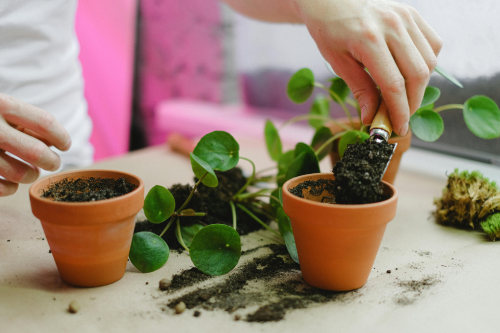
Singapore has long carried the title of “Garden City”, and with good reason. From tree-lined boulevards to lush public parks, greenery has always been woven into the island’s urban fabric. But apart from these iconic landscapes, a quieter movement has been sprouting: urban gardening at home. Whether scrolling through Instagram or strolling past HDB flats, you’ve probably noticed homes that creatively incorporate plants, from vertical gardens to balcony jungles.
The charm of urban gardening is that anyone can do it, regardless of whether you live in a compact apartment or a roomy condo. And here’s a little secret: no one is born with a green thumb. It’s something you develop through trial and error, and sometimes that means a few wilted casualties along the way. But once you get the hang of it, gardening becomes less of a hobby and more of a lifestyle that nourishes both your space and your well-being.
So, if you’re ready to bring a little more green into your home, this guide will walk you through everything you need to know about urban gardening in Singapore. From choosing the right plants to understanding the quirks of space and light in high-rise living, here’s how you can grow your very own greens.
What exactly is urban gardening?
Urban gardening is the practice of growing plants in city spaces where land is scarce, be they herbs, flowers, or vegetables. It’s about turning unused corners, balconies, or rooftops into vibrant pockets of greenery. In Singapore, this could take the form of:
- Vertical gardens on balconies or living room walls.
- Container gardening using pots, shelves, or recycled items.
- Community allotments managed collectively by neighbours.
- Rooftop or corridor gardens, depending on the flat’s design.
But urban gardening isn’t just about keeping Singapore’s reputation as the Garden City alive. It offers practical and personal benefits, too:
- Fresh produce: Imagine harvesting your own basil for pasta or plucking chillies straight into your sambal.
- Improved air quality: Plants help filter pollutants and add oxygen to the air.
- Stress relief: Caring for plants can be surprisingly therapeutic after a long day.
- Enhanced décor: Even a few well-placed pots can liven up a flat.
For HDB and condo dwellers, the advantages are especially clear. In spaces that may sometimes feel small or stuffy, greenery brings in a sense of calm and connection with nature. Of course, getting started does require some investment, like buying pots, soil, and seeds, for instance. While urban gardening is generally affordable, some beginners prefer to budget carefully and even explore modest options such as a short term loan in Singapore to avoid mishandling finances.
Key steps to creating your own urban garden
Starting an urban garden isn’t difficult, but it does require planning. Here are the steps to help you set up a thriving green corner at home.
1. Assess your space and pick a garden type
Your available space will determine the kind of garden you can grow. Factors like sunlight, wind direction, and safety are important considerations.
- Balcony gardening: A balcony is ideal for plants, especially if it gets direct sunlight. Maximise space with hanging planters, vertical shelves, or railing pots.
- Corridor gardening: Corridors often receive good light, but you must comply with HDB regulations. Maintain at least 1.2 metres of clearance for safety and keep planters flush against the wall.
- Kitchen gardening: Sunny windowsills in the kitchen are perfect for herbs like basil, mint, and coriander. Compact edibles like cherry tomatoes also do well here.
- Community gardening: If your flat has limited light or space, apply for a community garden plot through the National Parks Board. This lets you grow vegetables or flowers alongside neighbours while building community spirit.
2. Choose beginner-friendly plants
One of the most common mistakes first-time gardeners make is starting with finicky plants. Instead, pick resilient varieties that suit Singapore’s climate and thrive in smaller spaces.
Great starter plants include:
- Aloe vera: Minimal care, doubles as a natural remedy.
- Microgreens: Quick-growing, nutrient-rich, and perfect for window sills.
- Snake plant (Sansevieria): Extremely low maintenance, tolerates low light.
- Pothos: Hardy vine with air-purifying qualities.
For outdoor gardens, you might try:
- Succulents: Require little watering, perfect for hot balconies.
- Bougainvillaea: Loves sunlight and adds colour.
- Jasmine: Adaptable and fragrant, thriving in Singapore’s weather.
By starting small and choosing forgiving plants, you’ll gain confidence before moving on to more demanding varieties.
3. Gather the right tools and containers
Good tools make gardening easier and more enjoyable. You don’t need a full shed, just a few essentials:
- Pots and containers: Opt for terracotta or ceramic for durability. Ensure drainage holes are present. Self-watering pots are excellent for frequent travellers.
- Soil: A basic mix of loamy soil and grit works well. Add compost for extra nutrients.
- Fertiliser: Use organic compost weekly or chemical fertiliser biweekly, depending on plant type.
- Watering tools: A small watering can for larger plants and a spray bottle for delicate ones.
- Miscellaneous: A hand trowel, pruning shears, and shade cloth will cover most tasks.
If you’re enthusiastic, consider starting a compost bin for food scraps. It’s eco-friendly, reduces waste, and gives your plants a nutrient boost.
Maintaining your urban garden
Setting up your plants is just the beginning; the real journey lies in nurturing them. While it can seem daunting, a few simple habits make all the difference.
- Watering practices
The golden rule? Don’t drown your plants. Indoor greenery typically needs water once or twice a week, though this varies. Test by poking a finger about 2.5 cm into the soil: if it feels dry, it’s time to water. Overwatering often causes yellow leaves, while underwatering results in drooping stems.
- Pruning and harvesting
Pruning isn’t just about appearances; it keeps plants healthy by improving airflow and light penetration. Trim away dead leaves and overcrowded branches regularly.
For edible plants, harvest strategically. Pick ripe fruits and vegetables promptly to encourage more production. When it comes to herbs, harvest the outer leaves first to allow the centre to keep producing.
- Pest control
Even the smallest garden can attract pests. Aphids, mealybugs, and spider mites are common in Singapore’s humid climate. Inspect regularly to catch problems early.
Practical considerations for gardeners
Urban gardening in Singapore comes with unique challenges: space limitations, regulations, and the tropical climate. Here are some points to keep in mind:
- Space constraints: Use vertical space creatively with shelves and hanging pots.
- Sunlight: Most flats don’t get consistent full-day sun. Choose plants suited for partial light if necessary.
- Budgeting: While gardening isn’t as expensive as some hobbies, initial costs can add up if you go all out. A few people even consider small financing options like borrowing from a licensed money lender in Singapore to cover early expenses, though for most, starting simple and building up gradually is more practical.
- HDB regulations: Always keep safety and accessibility in mind when gardening along shared spaces like corridors.
Why urban gardening is more than a trend
For many Singaporeans, gardening is about more than just aesthetics. It’s tied to sustainability, food security, and well-being. The government’s “30 by 30” vision (to produce 30% of Singapore’s nutritional needs locally by 2030) encourages citizens to play a role in food resilience. Small-scale gardening at home is part of this broader movement.
On a personal level, nurturing plants fosters mindfulness. Watering, pruning, and simply observing growth encourage you to slow down in a fast-paced city. Children also benefit from gardening as it teaches them patience, responsibility, and an appreciation for nature.
Conclusion
Urban gardening offers flat dwellers an accessible way to connect with nature, freshen their living spaces, and even grow their own food. Whether you start with a humble herb pot on your kitchen sill or a lush balcony jungle, the rewards extend beyond aesthetics. You’ll find yourself eating better, breathing fresher air, and gaining a greater sense of calm.
Remember, gardening is about progress, not perfection. Some plants will thrive and others won’t, but each attempt helps you grow a little greener. With patience, creativity, and care, your HDB or condo can become more than just a place to live. It can be a flourishing little ecosystem of its own.
At Orange Credit, we believe financial support should be simple, transparent, and stress-free. As a licensed money lender in Singapore, we provide loan options that are flexible and designed around you. Whatever your needs, we’re here to make borrowing easy and worry-free.

